Tag Archive for: Footwear
 https://k3fashionsolutions.com/wp-content/uploads/2024/03/mexico-blog.jpg
510
900
Jordan Heal
https://k3fashionsolutions.com/wp-content/uploads/2024/12/K3_Fashion_Solutions_Half-color_RGB.svg
Jordan Heal2024-03-10 15:10:352026-04-16 14:52:03Unpacking Mexico’s vital role in the fashion industry’s nearshoring shift
https://k3fashionsolutions.com/wp-content/uploads/2024/03/mexico-blog.jpg
510
900
Jordan Heal
https://k3fashionsolutions.com/wp-content/uploads/2024/12/K3_Fashion_Solutions_Half-color_RGB.svg
Jordan Heal2024-03-10 15:10:352026-04-16 14:52:03Unpacking Mexico’s vital role in the fashion industry’s nearshoring shift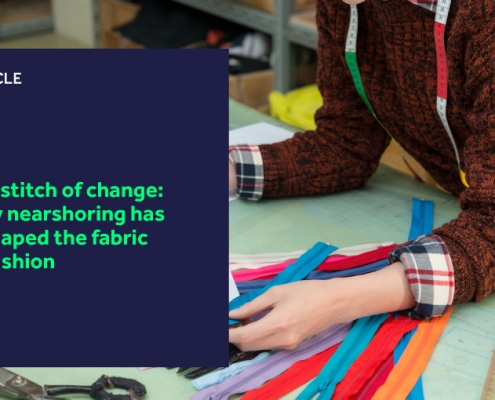 https://k3fashionsolutions.com/wp-content/uploads/2024/03/stitch-blog.jpg
510
900
Jordan Heal
https://k3fashionsolutions.com/wp-content/uploads/2024/12/K3_Fashion_Solutions_Half-color_RGB.svg
Jordan Heal2024-03-10 15:03:252026-04-16 14:52:10The stitch of change: How nearshoring has reshaped the fabric of fashion
https://k3fashionsolutions.com/wp-content/uploads/2024/03/stitch-blog.jpg
510
900
Jordan Heal
https://k3fashionsolutions.com/wp-content/uploads/2024/12/K3_Fashion_Solutions_Half-color_RGB.svg
Jordan Heal2024-03-10 15:03:252026-04-16 14:52:10The stitch of change: How nearshoring has reshaped the fabric of fashion https://k3fashionsolutions.com/wp-content/uploads/2024/03/k3-handle-data-featured.jpg
510
900
Jordan Heal
https://k3fashionsolutions.com/wp-content/uploads/2024/12/K3_Fashion_Solutions_Half-color_RGB.svg
Jordan Heal2024-03-10 09:28:242026-04-14 20:22:43How K3 enables fashion brands to handle the enormous demand for data
https://k3fashionsolutions.com/wp-content/uploads/2024/03/k3-handle-data-featured.jpg
510
900
Jordan Heal
https://k3fashionsolutions.com/wp-content/uploads/2024/12/K3_Fashion_Solutions_Half-color_RGB.svg
Jordan Heal2024-03-10 09:28:242026-04-14 20:22:43How K3 enables fashion brands to handle the enormous demand for data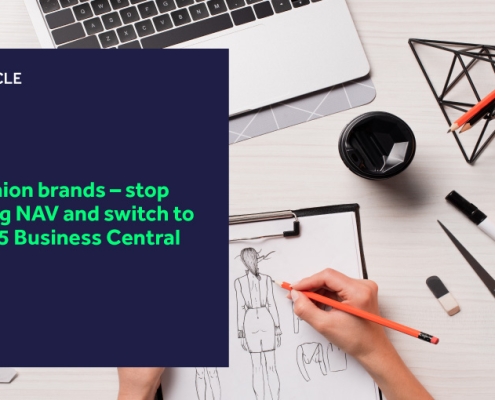 https://k3fashionsolutions.com/wp-content/uploads/2024/02/stop-nav-blog.jpg
510
900
Jordan Heal
https://k3fashionsolutions.com/wp-content/uploads/2024/12/K3_Fashion_Solutions_Half-color_RGB.svg
Jordan Heal2024-02-10 15:03:562026-04-23 20:25:14Fashion brands – stop using NAV and switch to D365 Business Central
https://k3fashionsolutions.com/wp-content/uploads/2024/02/stop-nav-blog.jpg
510
900
Jordan Heal
https://k3fashionsolutions.com/wp-content/uploads/2024/12/K3_Fashion_Solutions_Half-color_RGB.svg
Jordan Heal2024-02-10 15:03:562026-04-23 20:25:14Fashion brands – stop using NAV and switch to D365 Business Central https://k3fashionsolutions.com/wp-content/uploads/2024/02/best-fashion-blog.jpg
510
900
Jordan Heal
https://k3fashionsolutions.com/wp-content/uploads/2024/12/K3_Fashion_Solutions_Half-color_RGB.svg
Jordan Heal2024-02-10 15:00:072026-04-16 15:04:42What is the best fashion ERP software?
https://k3fashionsolutions.com/wp-content/uploads/2024/02/best-fashion-blog.jpg
510
900
Jordan Heal
https://k3fashionsolutions.com/wp-content/uploads/2024/12/K3_Fashion_Solutions_Half-color_RGB.svg
Jordan Heal2024-02-10 15:00:072026-04-16 15:04:42What is the best fashion ERP software?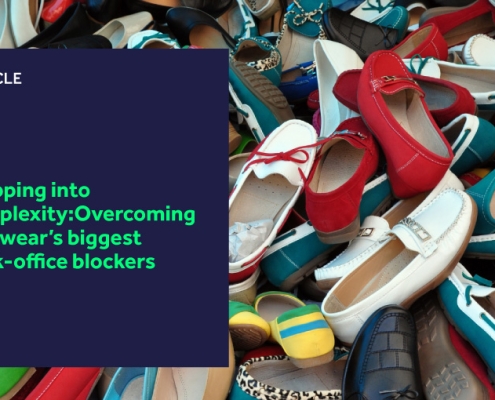 https://k3fashionsolutions.com/wp-content/uploads/2024/02/stepping-blog.jpg
510
900
Jordan Heal
https://k3fashionsolutions.com/wp-content/uploads/2024/12/K3_Fashion_Solutions_Half-color_RGB.svg
Jordan Heal2024-02-10 11:18:032026-04-16 15:04:49Stepping into complexity: Overcoming footwear’s biggest back-office blockers
https://k3fashionsolutions.com/wp-content/uploads/2024/02/stepping-blog.jpg
510
900
Jordan Heal
https://k3fashionsolutions.com/wp-content/uploads/2024/12/K3_Fashion_Solutions_Half-color_RGB.svg
Jordan Heal2024-02-10 11:18:032026-04-16 15:04:49Stepping into complexity: Overcoming footwear’s biggest back-office blockers https://k3fashionsolutions.com/wp-content/uploads/2024/01/best-erp-blog.jpg
510
900
Jordan Heal
https://k3fashionsolutions.com/wp-content/uploads/2024/12/K3_Fashion_Solutions_Half-color_RGB.svg
Jordan Heal2024-01-27 11:22:202026-04-16 15:08:07What is the role of private label in fashion?
https://k3fashionsolutions.com/wp-content/uploads/2024/01/best-erp-blog.jpg
510
900
Jordan Heal
https://k3fashionsolutions.com/wp-content/uploads/2024/12/K3_Fashion_Solutions_Half-color_RGB.svg
Jordan Heal2024-01-27 11:22:202026-04-16 15:08:07What is the role of private label in fashion? https://k3fashionsolutions.com/wp-content/uploads/2024/01/apparel-best-blog.jpg
510
900
Jordan Heal
https://k3fashionsolutions.com/wp-content/uploads/2024/12/K3_Fashion_Solutions_Half-color_RGB.svg
Jordan Heal2024-01-10 11:15:362026-06-30 19:57:16What is the best apparel ERP software?
https://k3fashionsolutions.com/wp-content/uploads/2024/01/apparel-best-blog.jpg
510
900
Jordan Heal
https://k3fashionsolutions.com/wp-content/uploads/2024/12/K3_Fashion_Solutions_Half-color_RGB.svg
Jordan Heal2024-01-10 11:15:362026-06-30 19:57:16What is the best apparel ERP software? https://k3fashionsolutions.com/wp-content/uploads/2023/12/source-consumer-blog.jpg
510
900
Jordan Heal
https://k3fashionsolutions.com/wp-content/uploads/2024/12/K3_Fashion_Solutions_Half-color_RGB.svg
Jordan Heal2023-12-10 11:14:552026-04-16 15:12:56From Source to Consumer: Building a Resilient and Sustainable Supply Chain
https://k3fashionsolutions.com/wp-content/uploads/2023/12/source-consumer-blog.jpg
510
900
Jordan Heal
https://k3fashionsolutions.com/wp-content/uploads/2024/12/K3_Fashion_Solutions_Half-color_RGB.svg
Jordan Heal2023-12-10 11:14:552026-04-16 15:12:56From Source to Consumer: Building a Resilient and Sustainable Supply Chain https://k3fashionsolutions.com/wp-content/uploads/2023/10/presale-vs-stock-featured-new.jpg
510
900
Jordan Heal
https://k3fashionsolutions.com/wp-content/uploads/2024/12/K3_Fashion_Solutions_Half-color_RGB.svg
Jordan Heal2023-10-10 11:23:412026-06-30 19:41:33Presales vs stock orders: How fashion brands manage wholesale inventory risk
https://k3fashionsolutions.com/wp-content/uploads/2023/10/presale-vs-stock-featured-new.jpg
510
900
Jordan Heal
https://k3fashionsolutions.com/wp-content/uploads/2024/12/K3_Fashion_Solutions_Half-color_RGB.svg
Jordan Heal2023-10-10 11:23:412026-06-30 19:41:33Presales vs stock orders: How fashion brands manage wholesale inventory riskTag Archive for: Footwear
https://k3fashionsolutions.com/wp-content/uploads/2024/03/mexico-blog.jpg
510
900
Jordan Heal
https://k3fashionsolutions.com/wp-content/uploads/2024/12/K3_Fashion_Solutions_Half-color_RGB.svg
Jordan Heal2024-03-10 15:10:352026-04-16 14:52:03Unpacking Mexico’s vital role in the fashion industry’s nearshoring shift
https://k3fashionsolutions.com/wp-content/uploads/2024/03/stitch-blog.jpg
510
900
Jordan Heal
https://k3fashionsolutions.com/wp-content/uploads/2024/12/K3_Fashion_Solutions_Half-color_RGB.svg
Jordan Heal2024-03-10 15:03:252026-04-16 14:52:10The stitch of change: How nearshoring has reshaped the fabric of fashion
https://k3fashionsolutions.com/wp-content/uploads/2024/03/k3-handle-data-featured.jpg
510
900
Jordan Heal
https://k3fashionsolutions.com/wp-content/uploads/2024/12/K3_Fashion_Solutions_Half-color_RGB.svg
Jordan Heal2024-03-10 09:28:242026-04-14 20:22:43How K3 enables fashion brands to handle the enormous demand for data
https://k3fashionsolutions.com/wp-content/uploads/2024/02/stop-nav-blog.jpg
510
900
Jordan Heal
https://k3fashionsolutions.com/wp-content/uploads/2024/12/K3_Fashion_Solutions_Half-color_RGB.svg
Jordan Heal2024-02-10 15:03:562026-04-23 20:25:14Fashion brands – stop using NAV and switch to D365 Business Central
https://k3fashionsolutions.com/wp-content/uploads/2024/02/best-fashion-blog.jpg
510
900
Jordan Heal
https://k3fashionsolutions.com/wp-content/uploads/2024/12/K3_Fashion_Solutions_Half-color_RGB.svg
Jordan Heal2024-02-10 15:00:072026-04-16 15:04:42What is the best fashion ERP software?
https://k3fashionsolutions.com/wp-content/uploads/2024/02/stepping-blog.jpg
510
900
Jordan Heal
https://k3fashionsolutions.com/wp-content/uploads/2024/12/K3_Fashion_Solutions_Half-color_RGB.svg
Jordan Heal2024-02-10 11:18:032026-04-16 15:04:49Stepping into complexity: Overcoming footwear’s biggest back-office blockers
https://k3fashionsolutions.com/wp-content/uploads/2024/01/best-erp-blog.jpg
510
900
Jordan Heal
https://k3fashionsolutions.com/wp-content/uploads/2024/12/K3_Fashion_Solutions_Half-color_RGB.svg
Jordan Heal2024-01-27 11:22:202026-04-16 15:08:07What is the role of private label in fashion?
https://k3fashionsolutions.com/wp-content/uploads/2024/01/apparel-best-blog.jpg
510
900
Jordan Heal
https://k3fashionsolutions.com/wp-content/uploads/2024/12/K3_Fashion_Solutions_Half-color_RGB.svg
Jordan Heal2024-01-10 11:15:362026-06-30 19:57:16What is the best apparel ERP software?
https://k3fashionsolutions.com/wp-content/uploads/2023/12/source-consumer-blog.jpg
510
900
Jordan Heal
https://k3fashionsolutions.com/wp-content/uploads/2024/12/K3_Fashion_Solutions_Half-color_RGB.svg
Jordan Heal2023-12-10 11:14:552026-04-16 15:12:56From Source to Consumer: Building a Resilient and Sustainable Supply Chain
https://k3fashionsolutions.com/wp-content/uploads/2023/10/presale-vs-stock-featured-new.jpg
510
900
Jordan Heal
https://k3fashionsolutions.com/wp-content/uploads/2024/12/K3_Fashion_Solutions_Half-color_RGB.svg
Jordan Heal2023-10-10 11:23:412026-06-30 19:41:33Presales vs stock orders: How fashion brands manage wholesale inventory risk